WELCOME TO THE ARCHIVE (1994-2014) OF THE MAQUILA SOLIDARITY NETWORK. For current information on our ongoing work on the living wage, women's labour rights, freedom of association, corporate accountability and Bangladesh fire and safety, please visit our new website, launched in October, 2015: www.maquilasolidarity.org
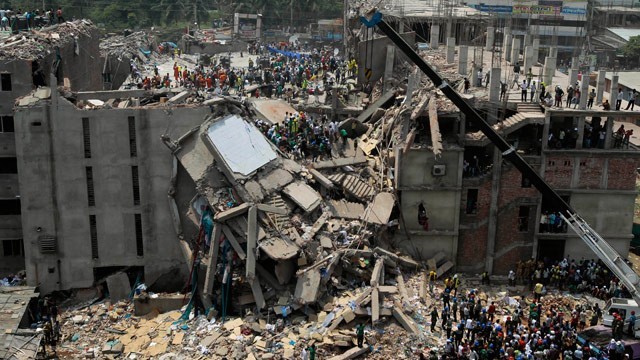 As we near the end of 2014, the Accord on Fire and Building Safety in Bangladesh reports that it has completed safety inspections in 1,100 apparel factories covered by the Accord, and more than 500 corrective action plans have been approved to date. The inspections are overseen by Brad Loewen, a fire inspection engineer formerly employed by the City of Winnipeg, Canada.
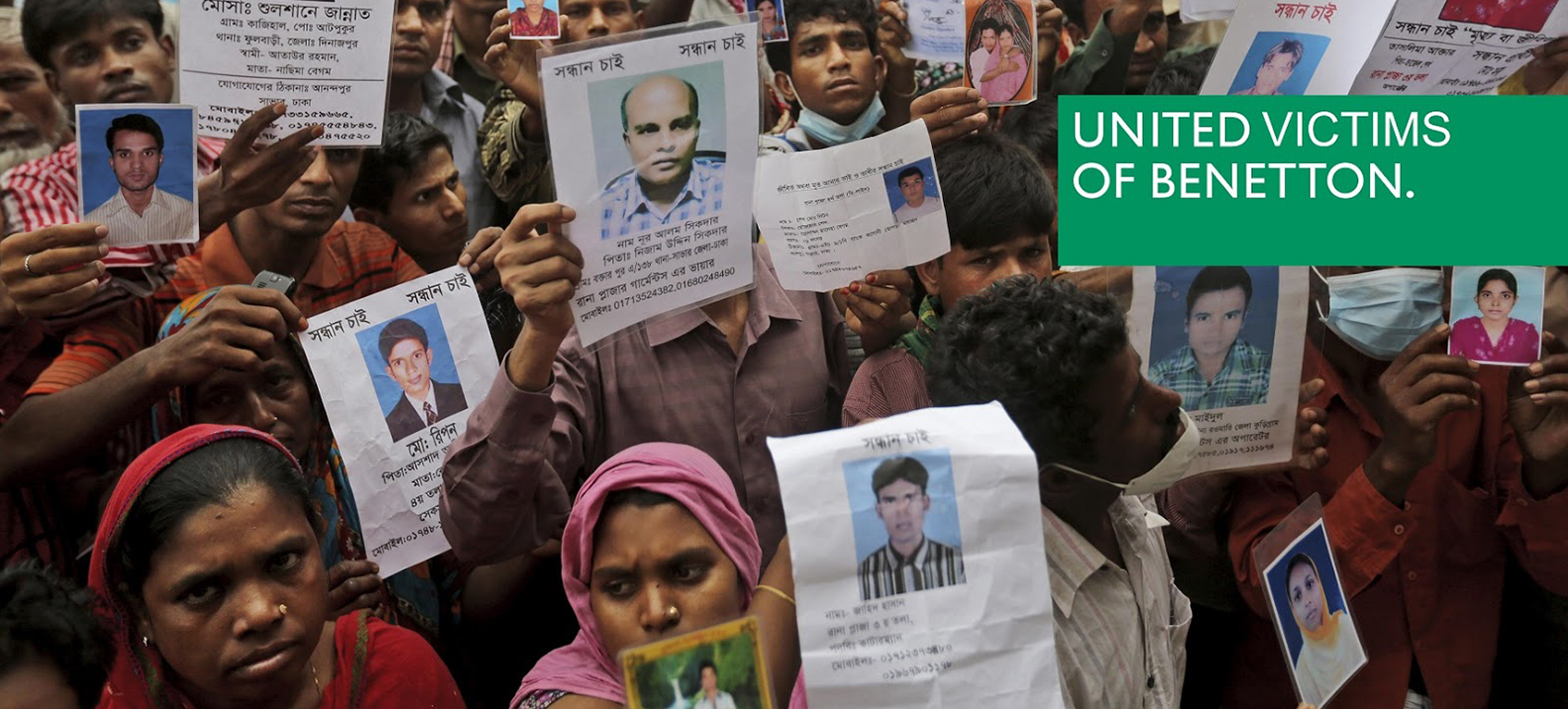 On November 24, the second anniversary of the Tazreen factory fire in Bangladesh, the Clean Clothes Campaign (CCC) and the Global Union IndustriALL announced that they had reached agreement with the European retailer C&A on a system for delivering long-term compensation to the families of the 120 workers killed and the 300 workers seriously injured.
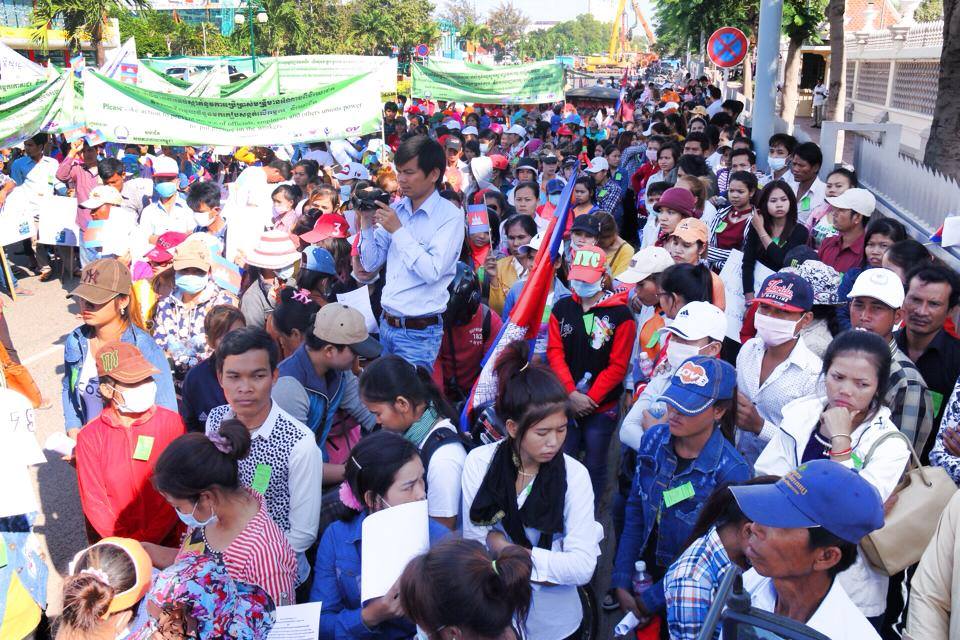 In response to increased pressure from Cambodian independent unions, their international supporters, and even some major apparel brands, on November 12, the Cambodian government announced it will be raising the minimum wage for garment workers from US$100 to $128 a month on January 1, 2015.
 After many setbacks, Colectivo Raiz, MSN's partner in Aguascalientes, Mexico, is making some progress toward remediation of long-standing worker rights violations at a Levi's supplier factory in that city, though a number of issues remain unresolved.
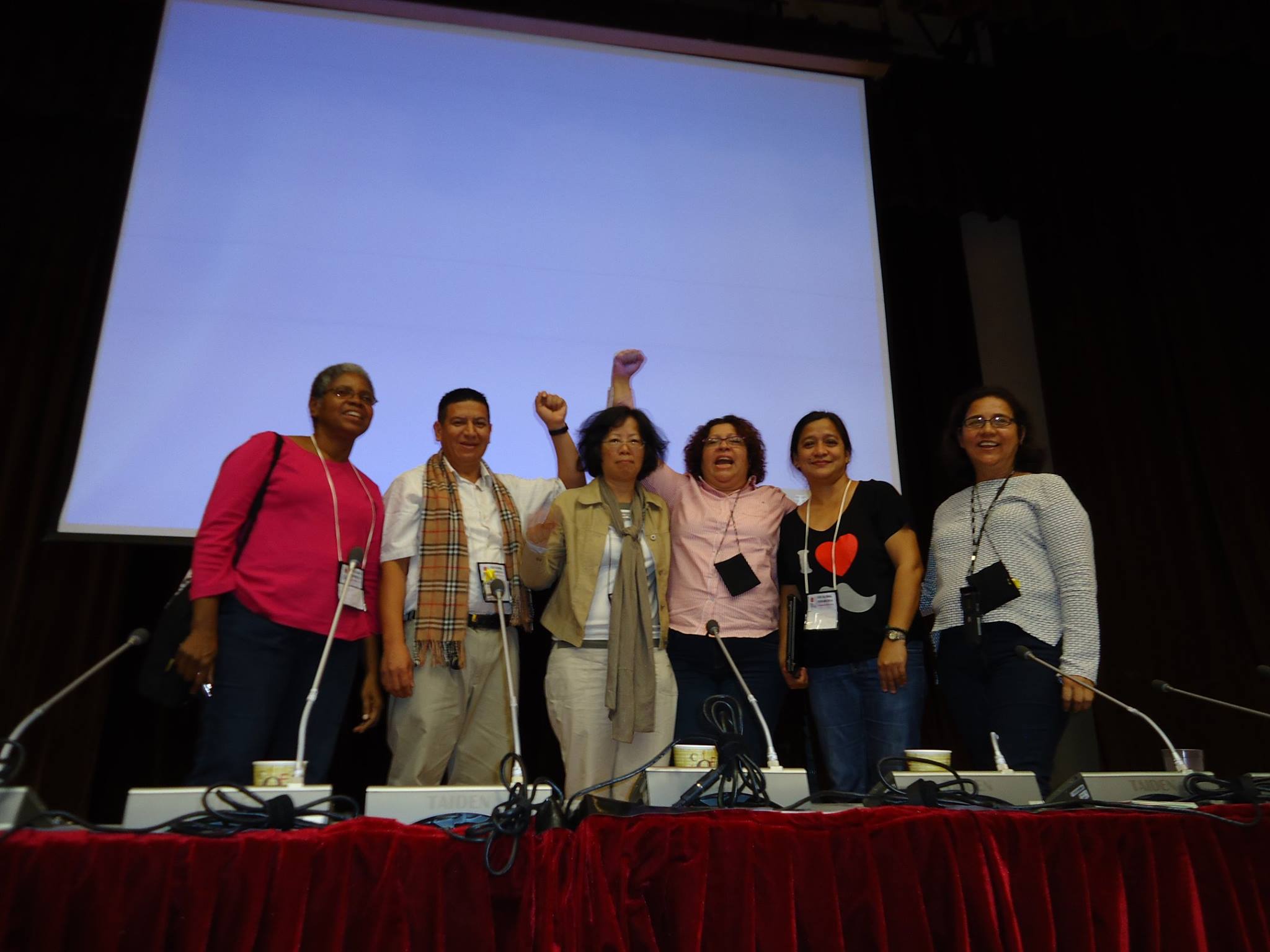 On November 18-21, members of the MSN team travelled to Hong Kong to participate in the Clean Clothes Campaign's 2014 Global Forum on Strategies and Structure for the international labour rights movement.
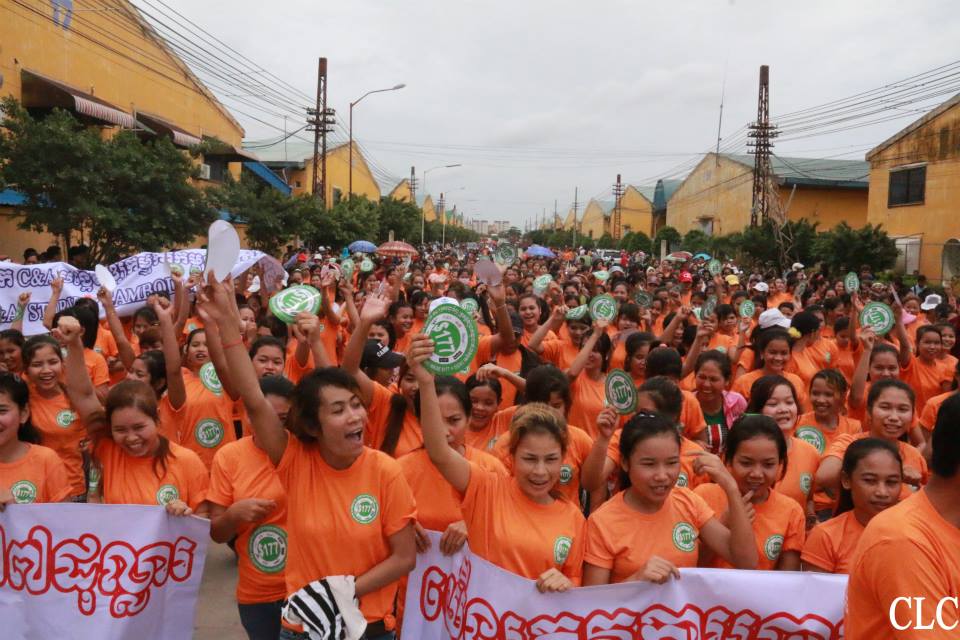
On September 17, thousands of Cambodian garment workers took part in lunchtime protests organized by eight Cambodian unions at an estimated 139 factories around the country, demanding a $177 per month minimum wage.
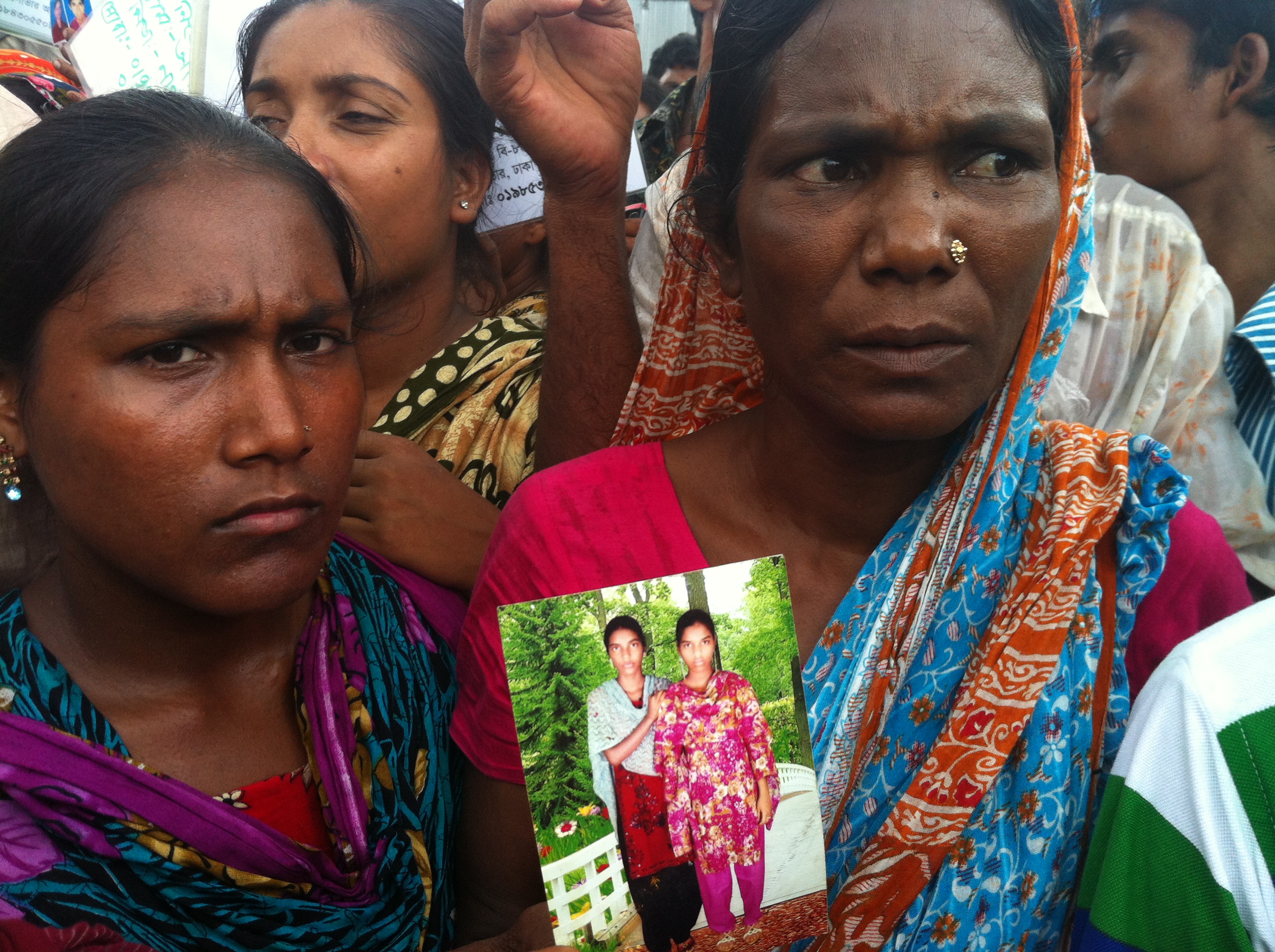 Over fifty human rights, religious, international development, trade union, women’s, teacher, student, community and investor organizations have released an Open Letter calling on the Canadian government to publicly urge Canadian companies whose apparel products are made in Bangladesh to contribute generously to a trust fund for the approximately 2,500 workers injured and the families of over 1,100 workers killed in the Rana Plaza building collapse.
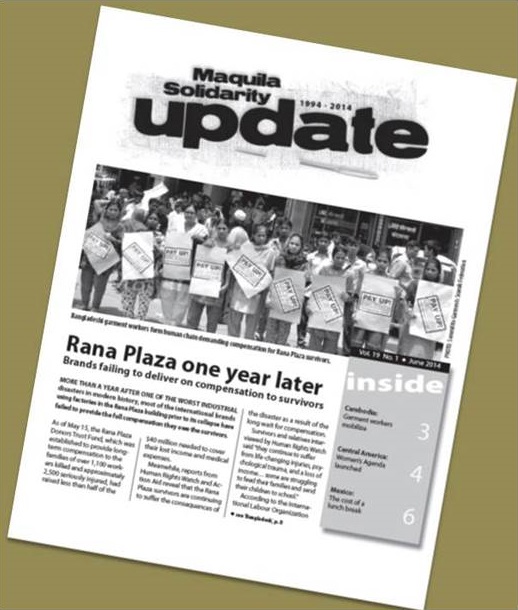
 April 24th marked the one-year anniversary of one of the most devastating industry tragedies in history. Yet, despite global outrage at the number of unnecessary worker deaths and injuries suffered as a result of this preventable disaster, most of the survivors and families of those killed are still waiting for just compensation.
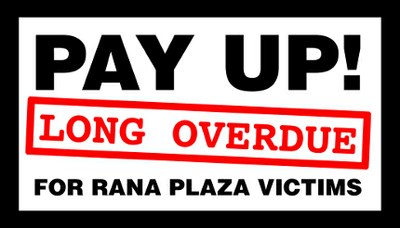
March 24: One month before the one-year anniversary of the Rana Plaza building collapse, the survivors and families of those killed can finally register claims for compensation with the Rana Plaza Trust Fund which would entitle them to an advance payment toward their claim by April 24.
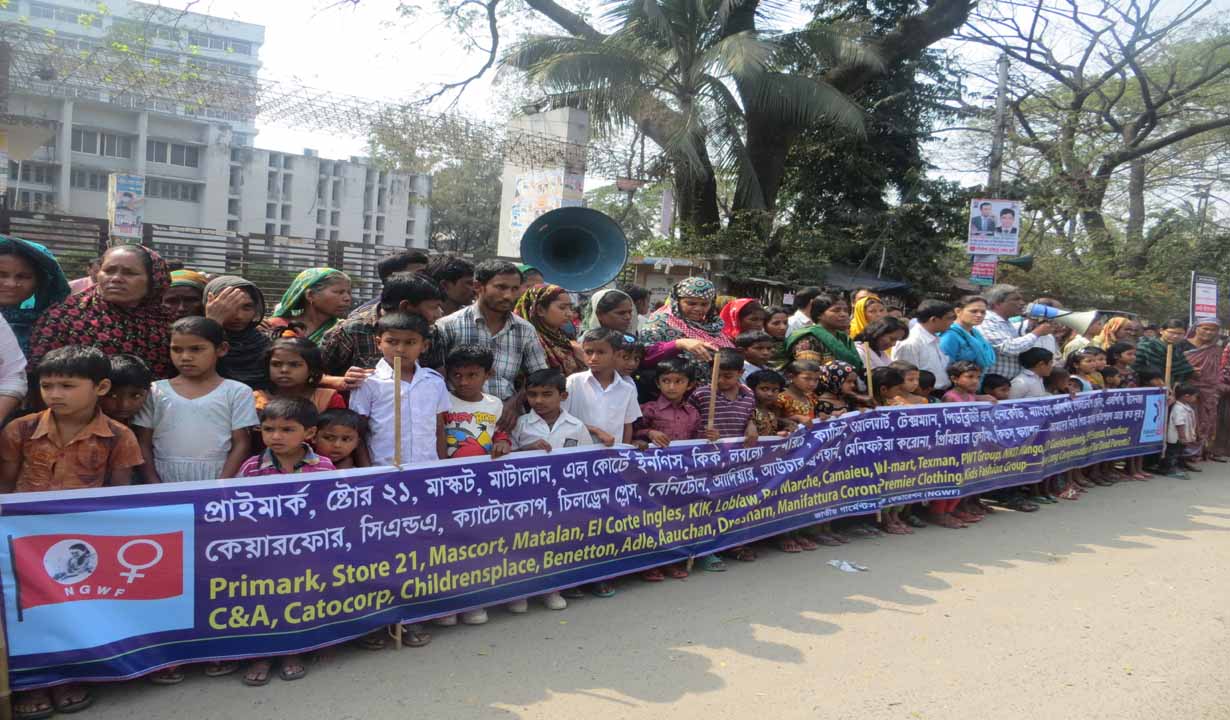 On February 24, 10 months after the Rana Plaza building collapse in Bangladesh killed over 1,100 garment workers and injured over 2,000 more, 70 trade unions and other civil society organizations released a joint statement calling on all companies whose products are made in Bangladesh to Pay Up by contributing to the Donor Trust Fund for the Rana Plaza victims.
Signatories to the joint statement include 22 Canadian organizations, 30 Bangladeshi groups, the Global Unions IndustriALL and UNI, and organizations from across Asia, Europe and in the United States. To date, only seven companies, including Canada’s Loblaw, have publicly committed financial contributions to the Rana Plaza Donors Trust Fund.


Unless otherwise noted, all work on this website is licensed under a
Creative Commons Attribution-Noncommercial-Share Alike 2.5 Canada License.