WELCOME TO THE ARCHIVE (1994-2014) OF THE MAQUILA SOLIDARITY NETWORK. For current information on our ongoing work on the living wage, women's labour rights, freedom of association, corporate accountability and Bangladesh fire and safety, please visit our new website, launched in October, 2015: www.maquilasolidarity.org
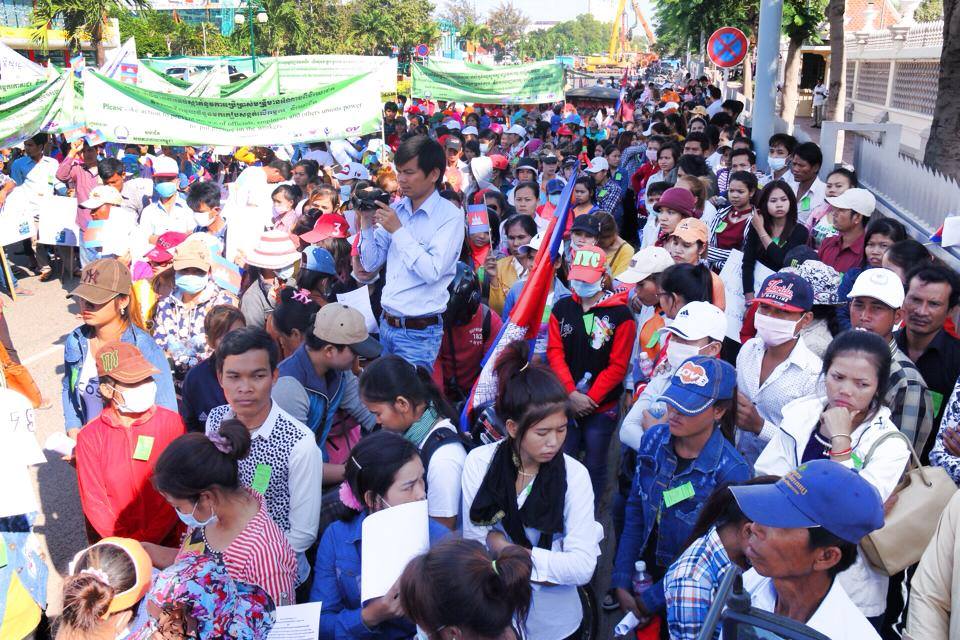 In response to increased pressure from Cambodian independent unions, their international supporters, and even some major apparel brands, on November 12, the Cambodian government announced it will be raising the minimum wage for garment workers from US$100 to $128 a month on January 1, 2015.
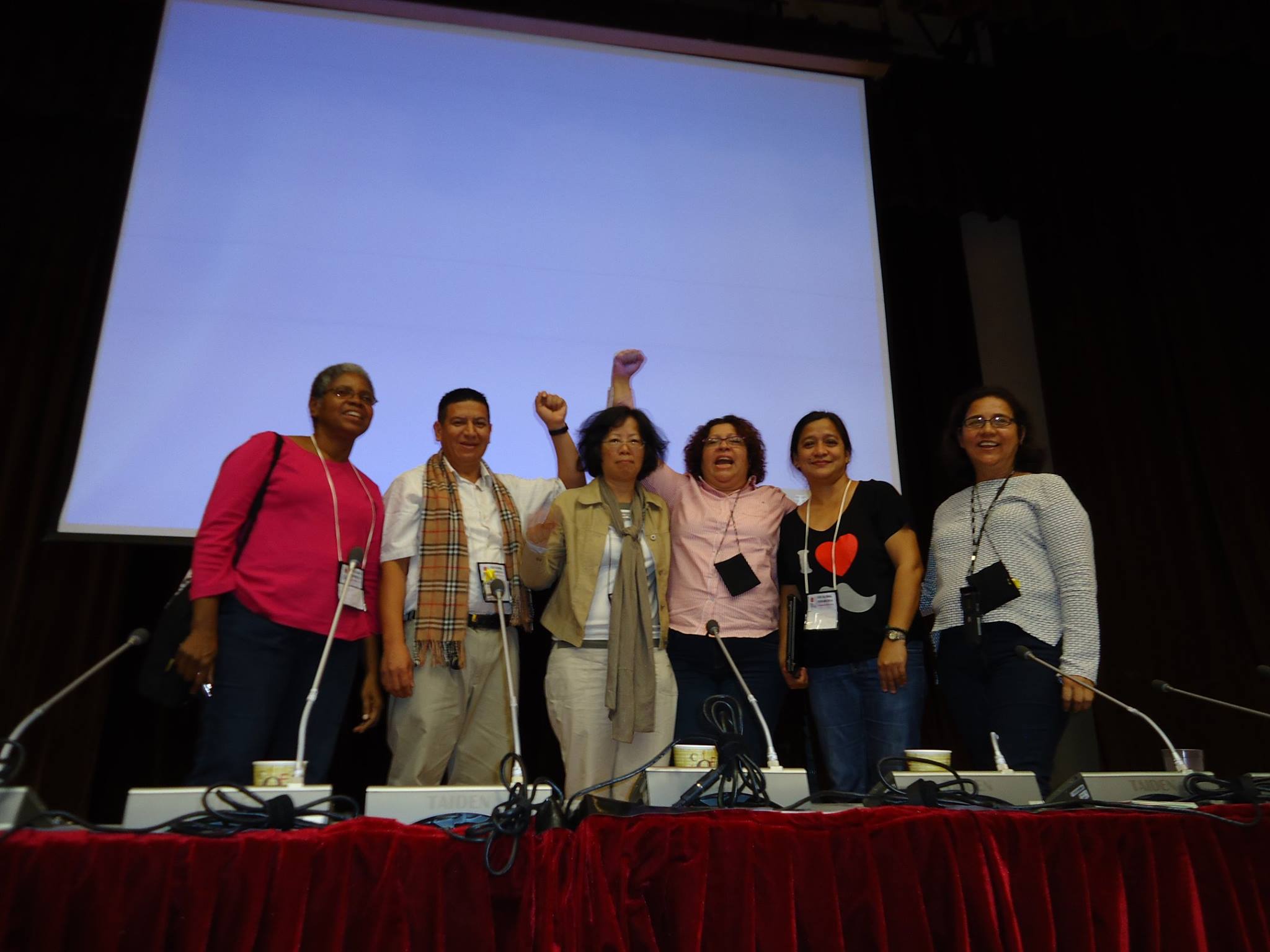 On November 18-21, members of the MSN team travelled to Hong Kong to participate in the Clean Clothes Campaign's 2014 Global Forum on Strategies and Structure for the international labour rights movement.
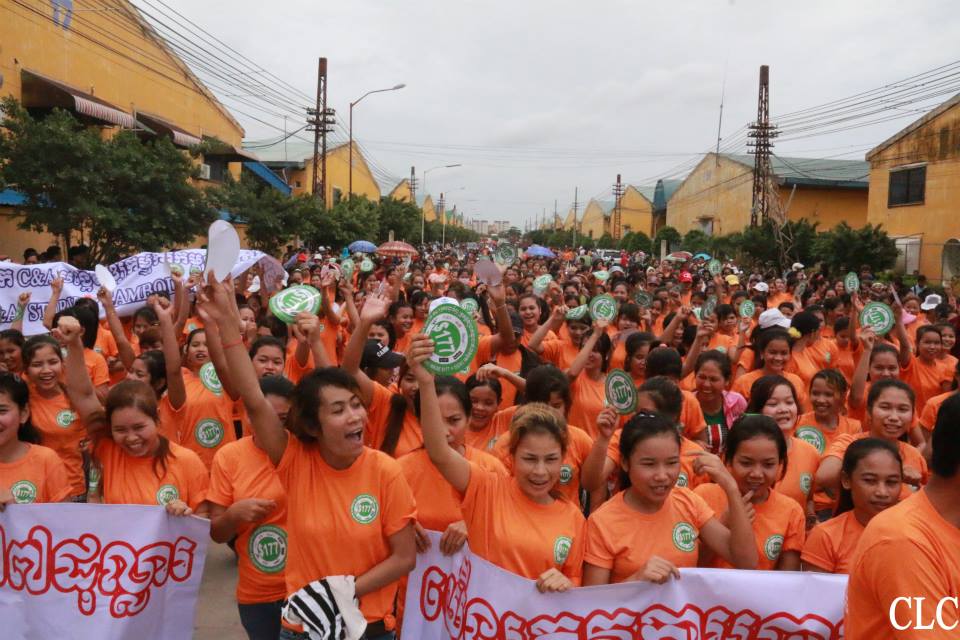
On September 17, thousands of Cambodian garment workers took part in lunchtime protests organized by eight Cambodian unions at an estimated 139 factories around the country, demanding a $177 per month minimum wage.
 On May 30, Cambodian courts ruled that 23 workers and human rights defenders arrested in January were guilty of causing violence during a massive strike for an increase in the country’s minimum wage.
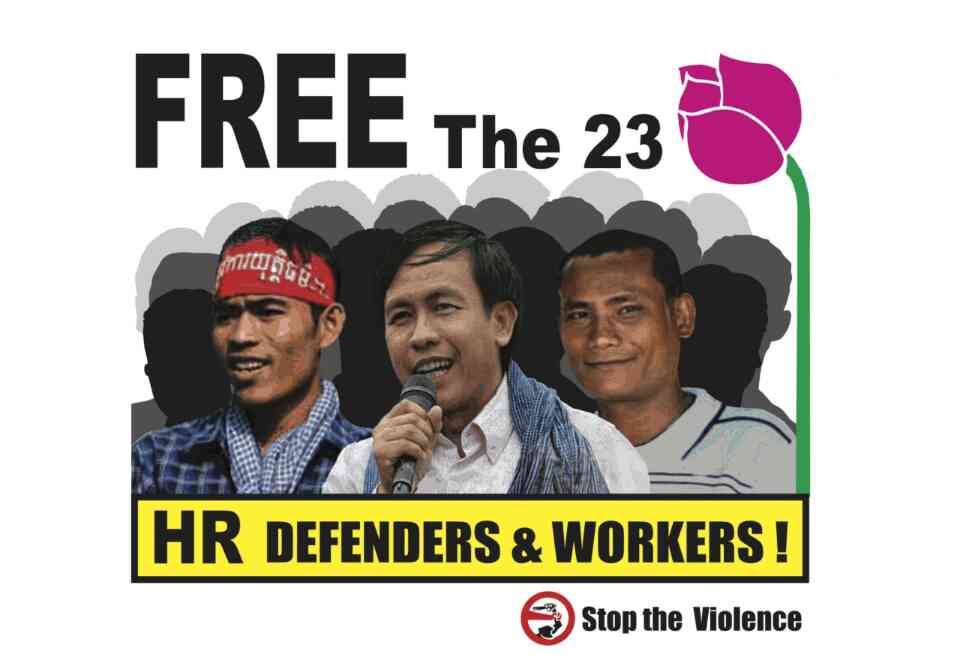 Brutal repression by the Cambodian government has failed to deter garment workers from staging protests for a just increase in the minimum wage.
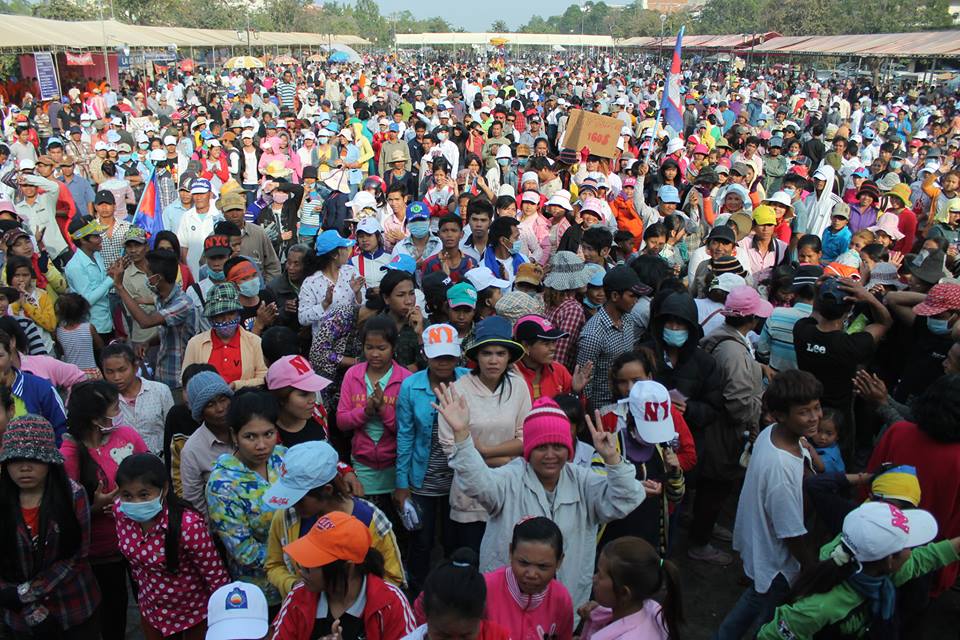 On March 8th, International Women’s Day, an expected 30,000 garment workers, the vast majority of whom are women, will come together in Phnom Penh’s Freedom Park for a mass Forum on Labour Rights to continue their struggle for an increase in the minimum wage to US$160/month, trade union rights, and the release of 21 activists who have been held in jail since early January. Meanwhile, photos published in local newspapers just one day prior to the forum showed approximately 2,000 riot police preparing for tomorrow’s Forum.
Much has happened in Cambodia since December of last year. A garment workers strike which began on December 24th was met with violent repression by military police leaving at least four people dead and injuring dozens of others. Since then, 23 people have been arrested with only two recently released on bail. The others remain in a notoriously isolated prison.
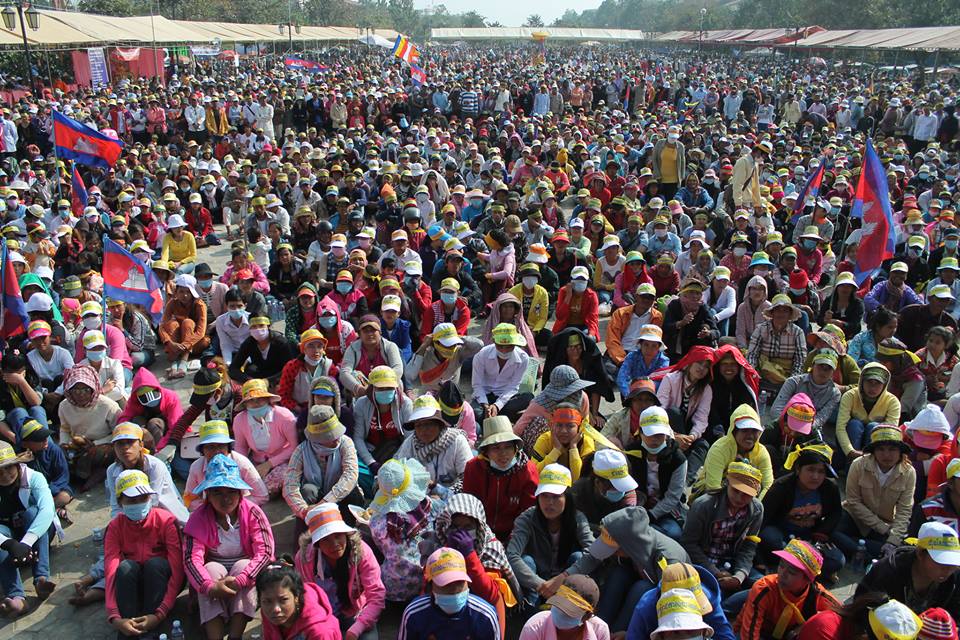 On February 10, trade union and human and labour rights organizations around the world staged demonstrations and delivered messages to Cambodian embassies calling for the release of 21 workers who are being detained for participating in a national strike for an increase in the minimum wage.
On behalf of 22 human rights, trade union, student, international development and community organizations from Canada and Québec, we are writing to condemn the violence perpetrated by members of the police and armed forces against striking garment workers in your country.
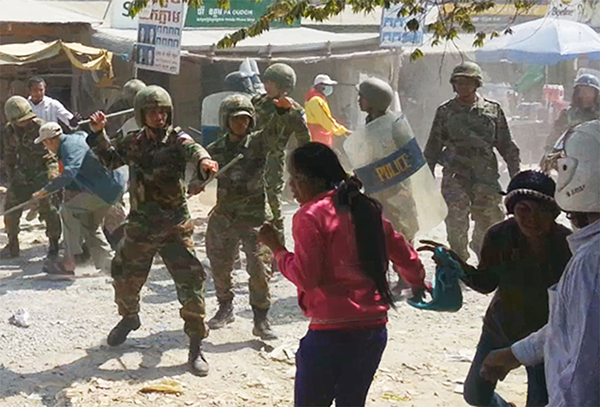 Thirty major apparel brands, together with the global unions ITUC, IndustriALL and UNI, have signed a joint letter to Cambodia’s prime minister Hun Sen, calling on his government to launch a prompt and thorough investigation into violent events of January 2-3.


Unless otherwise noted, all work on this website is licensed under a
Creative Commons Attribution-Noncommercial-Share Alike 2.5 Canada License.