WELCOME TO THE ARCHIVE (1994-2014) OF THE MAQUILA SOLIDARITY NETWORK. For current information on our ongoing work on the living wage, women's labour rights, freedom of association, corporate accountability and Bangladesh fire and safety, please visit our new website, launched in October, 2015: www.maquilasolidarity.org
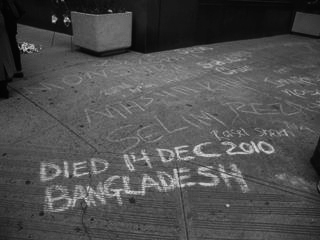 On October 2, after over a year of discussions with trade union and labour rights organizations, Gap Inc. announced that it is refusing to participate in a groundbreaking fire safety program for the garment industry in Bangladesh. Instead it decided to set up a separate program, accountable to no one – least of all worker representatives.
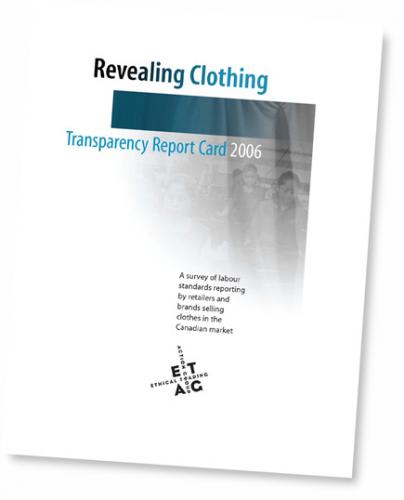 Revealing Clothing, ETAG's second Transparency Report Card, picks up where Coming Clean on the Clothes We Wear left off. It assesses and compares public reporting on labour standards compliance by 30 top apparel retailers and brands selling clothes in the Canadian market, including Levi Strauss, Nike, adidas, H&M, Mountain Equipment Co-op, Roots, La Senza, Reitmans and 22 others. This year's report also discusses worker involvement, purchasing practices and sustainable compliance.
Gina Form Bra factory workers in Bangkok, Thailand, fought to keep their unionized factory open after receiving word in early September 2006 that the owner was going to close the factory and shift orders to China or Cambodia. International brands including Warnaco, La Senza, Victoria's Secret and others bought apparel from the company. With the help of international organizations including the Maquila Solidarity Network, the workers were able to win a substantial severance package well above the norm in Thailand.
MSN Codes Memo #22
Is Corporate Social Responsibility (CSR) reporting measuring the right things? How can stakeholders assess whether a company’s business practices bear any relation to its CSR principles and objectives?
On October 28, a UK newspaper published an exposé on child labour in India, revealing that clothes bearing the GapKids label were being made by children as young as 10 years old. Gap is acting on the matter – but will its actions prevent future violations?


Unless otherwise noted, all work on this website is licensed under a
Creative Commons Attribution-Noncommercial-Share Alike 2.5 Canada License.